The type of design that includes architecture, structural engineering, and HVAC. It also integrates building life cycle. The aim is to build sustainable architecture, equivalent to Green Design, a term that seemed questionable. Every integrated design needs an understanding of materials, system, and spatial element.
Process
First and foremost, there needs to be an understanding of the project type, along with size and scale. Following is the guidelines of the master plan. Furthermore, the geographical site and where the budget is coming from. Of course, YOU ALWAYS WANT TO CONSIDER THE ENVIRONMENTAL IMPACTS: will it harm any surrounding animals, wetlands, consider green land, water quality, and whether or not the construction will cause erosion. One must always understand the vulnerability of the site and community. So always ask questions and work with the team to work together in minimizing the disturbance of the environment. Materials are also a major consideration. Always be aware of the materials that can potentially be used, and avoid those that release toxicity in the environment.
There are a few questions that the book I am reading has in order for one to ask before designing and integrated design. They are very helpful questions and here are several that will come in handy when thinking about the scope of the project.
- Is the project an urban infill or an open space development?
- Is there a riparian corridor on the site?
- How will portable water be affected?
- What is the current pattern of water runoff?
- Does storm water percolate and drain into the water table or a body of water nearby?
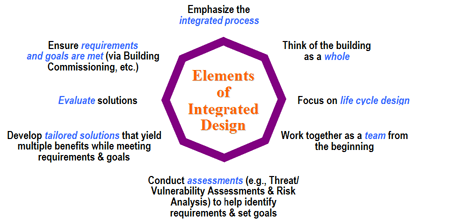
THIS CHART IS ALSO HELPFUL:

No comments:
Post a Comment